Demand for affordable, high-yield accommodation is transforming the Australian property market. As a rooming house builder, 2026 presents a pivotal opportunity to maximize returns and expand your portfolio.
Rooming houses now offer standout rental yields, but navigating new regulations and market risks requires specialized knowledge. This guide arms you with expert strategies, compliance insights, and step-by-step advice tailored for rooming house builder success.
Ready to avoid costly pitfalls, select the right builder, and design profitable properties? Follow this comprehensive guide to confidently build and manage a successful rooming house in 2026. Discover the trends, essentials, and future-proofing strategies you need.
Understanding the 2026 Rooming House Market
The rooming house builder landscape is shifting rapidly as we head into 2026. Investors, developers, and property owners are watching market dynamics closely to seize new opportunities while navigating evolving risks. Below, we break down the key drivers, benefits, challenges, and trends shaping the rooming house sector this year.
Market Demand and Growth Drivers
Population growth in major Australian cities is fueling demand for affordable, single-occupancy housing. For example, Brisbane is projected to grow by 16 percent by 2032, intensifying the need for flexible accommodation options.
The ongoing housing affordability crisis is pushing more people toward rooming houses, especially young professionals and single-person households. Government incentives and policy shifts are also encouraging urban infill and redevelopment, making it easier for a rooming house builder to secure approvals. In competitive markets, rental yields of 8 percent or more are being reported, drawing investor attention.
- Population growth in urban centers
- Increased demand for affordable rentals
- Shifting demographics toward single-occupancy
- Policy support for affordable housing
- Urban infill and redevelopment trends
Key Investment Benefits of Rooming Houses
A well-chosen rooming house builder project can deliver higher rental yields than standard residential properties. Multiple tenants per property mean steady cash flow and lower vacancy risk, even as markets fluctuate. Investors also gain flexibility in tenant selection and lease terms, which can reduce turnover.
In high-demand suburbs, there is strong potential for capital growth. For instance, some investors in Brisbane are seeing 8 to 9 percent net returns. To learn more about maximizing these advantages, explore proven rooming house investment strategies.
- Consistent cash flow from multiple tenants
- Lower vacancy risk due to high demand
- Flexible lease and tenant arrangements
- Potential for capital growth in growth suburbs
Market Risks and Challenges
Despite the benefits, every rooming house builder must prepare for regulatory hurdles and compliance complexity. Some communities resist new developments, leading to Not In My Backyard (NIMBY) objections. Market saturation is a risk in certain suburbs, making location selection critical.
Tenant management can be demanding, with higher turnover compared to traditional rentals. Financial risks, such as builder insolvency or unforeseen costs, can delay projects. Recent builder failures in Queensland have underscored the need for due diligence on builder stability and project management.
- Regulatory and compliance challenges
- Community resistance (NIMBY)
- Market saturation in select areas
- Tenant management complexities
- Financial risks from builder issues
2026 Trends Shaping Rooming House Investments
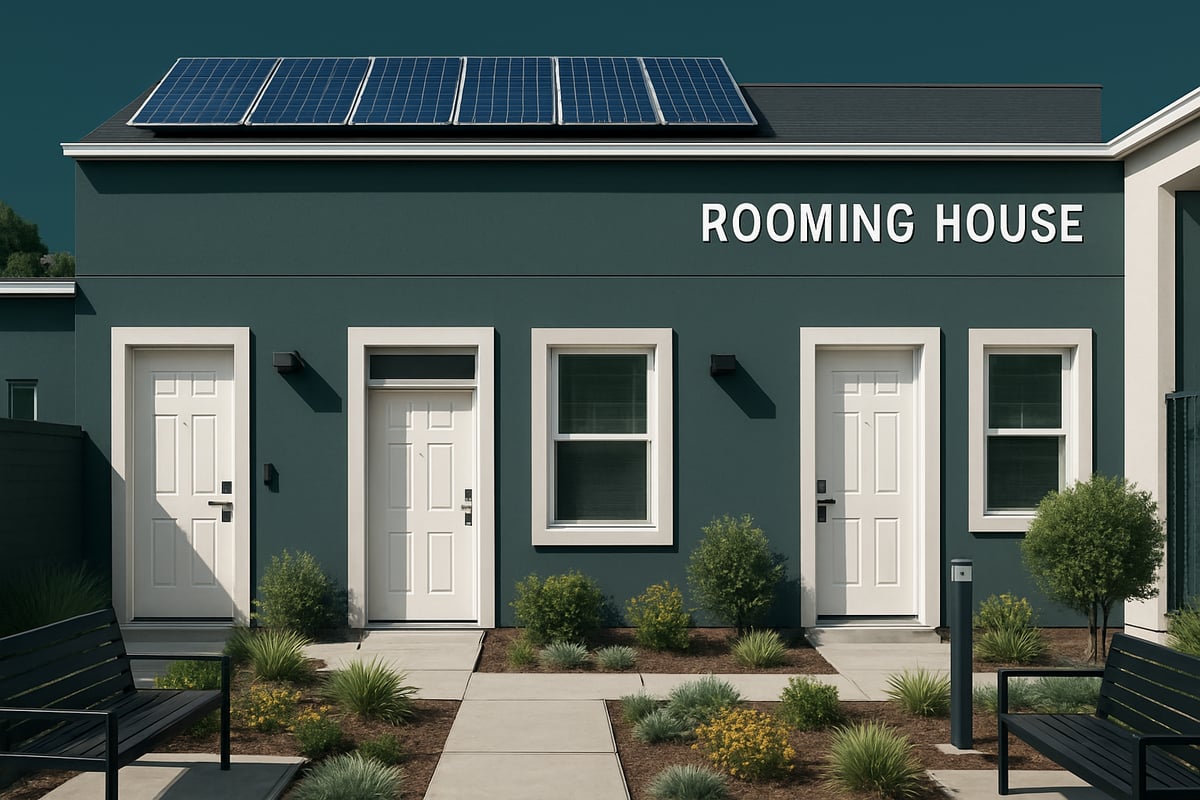
Sustainability is a growing focus for every forward-thinking rooming house builder. Solar power, energy efficiency, and eco-friendly designs are now expected by both tenants and councils. Smart home technologies are being integrated to boost security and tenant satisfaction.
Modern renters seek privacy, security, and contemporary amenities. Council zoning and planning codes are shifting to reflect these preferences. There is also rising interest from SMSF investors, contributing to a notable increase in rooming house approvals across urban areas.
- Sustainability features (solar, energy-saving)
- Smart home technology adoption
- Demand for privacy and security
- Changing zoning and planning codes
- Growth in SMSF investor activity
Who Should Consider Building Rooming Houses?
A rooming house builder approach is ideal for investors looking for high-yield, low-vacancy assets. Developers with expertise in affordable or co-living housing can benefit from this growing sector. SMSF trustees and those focused on retirement income find these properties align well with long-term goals.
Property owners with underutilized land in growth corridors are also well-placed to capitalize on market trends. Professionals leveraging SMSF strategies to diversify their portfolios are increasingly turning to rooming houses for reliable, long-term returns.
- High-yield asset seekers
- Affordable housing developers
- SMSF and retirement-focused investors
- Owners of underutilized land in growth areas
Navigating Regulations and Compliance in 2026
Understanding the regulatory landscape is essential for every rooming house builder aiming for success in 2026. With evolving codes and shifting council requirements, compliance can be a maze, but the right strategies make it manageable.
National and Local Regulatory Landscape
The regulatory environment for any rooming house builder is shaped by both national standards and local council rules. Updates to the National Construction Code (NCC) in 2026 bring new building classification requirements, with stricter fire safety and accessibility standards. Local councils, such as those in Brisbane and Melbourne, each have their own planning schemes and codes that specifically address rooming accommodation.
For example, the Brisbane City Plan 2014 and Melbourne’s planning policies both outline unique obligations for a rooming house builder. Navigating these differences is crucial, so consulting guides like Rooming houses in Melbourne market can provide valuable local insights. Always ensure you understand which approvals are needed before starting any project.
Essential Approvals and Documentation
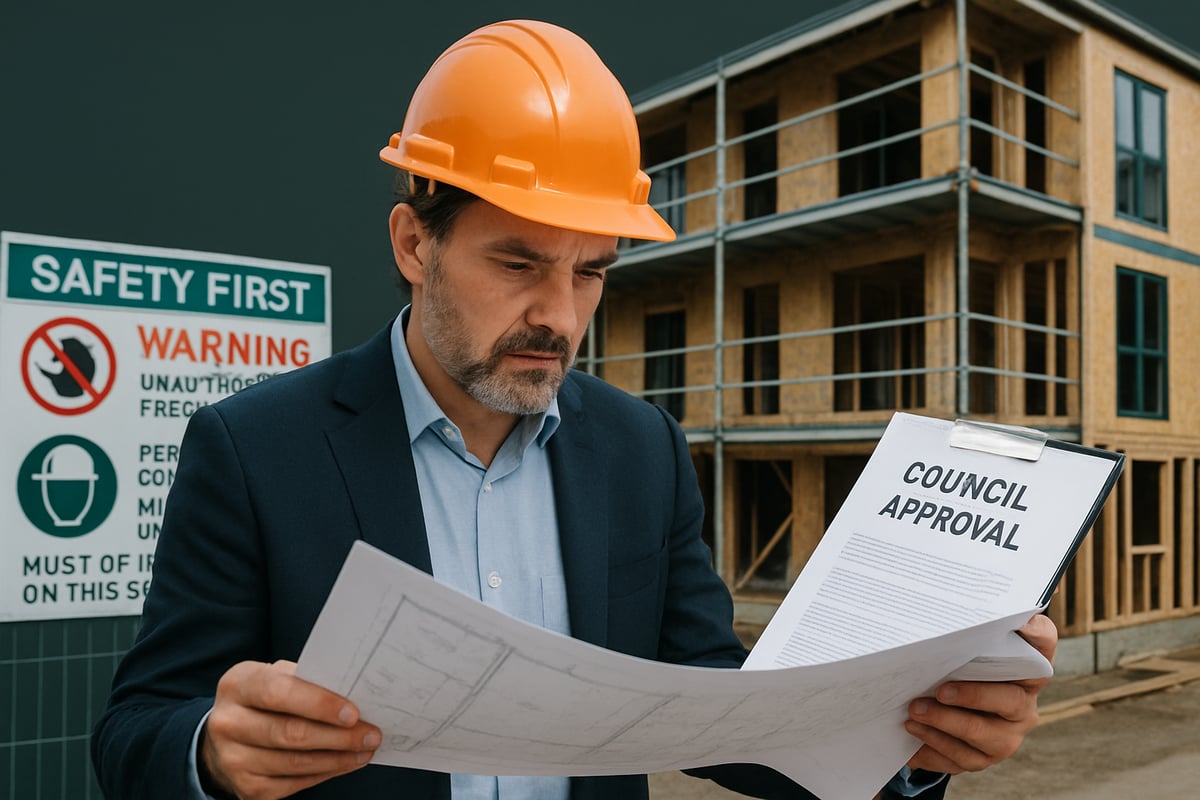
Securing the right approvals is a non-negotiable step for any rooming house builder. The process typically starts with a development application that addresses zoning, density, and use. You’ll need to comply with both dwelling and rooming accommodation codes, which set standards for room sizes, facilities, and safety.
Fire safety and accessibility documentation are mandatory, often requiring specialist reports. Occupancy permits must be obtained before tenants move in, and council inspections are standard. Essential paperwork includes detailed plans, compliance certificates, and all relevant council submissions. Staying organized with documentation helps prevent setbacks.
Common Regulatory Pitfalls and How to Avoid Them
Even experienced rooming house builder professionals can stumble on regulatory pitfalls. Common issues include:
- Missing building classification requirements
- Overlooking fire egress and emergency plans
- Ignoring site constraints like easements or sewer lines
- Underestimating approval timelines or costs
Incomplete or inaccurate applications can result in costly delays. To avoid these traps, consult experts early, double-check every submission, and allocate a buffer for unexpected regulatory hurdles. Learning from real-world cases, where builder errors led to months of delays, is crucial for new projects.
Working with Local Authorities and Consultants
Collaboration is key for a rooming house builder navigating complex approvals. Early engagement with council planners streamlines the process and helps identify potential objections from neighbors. Specialist consultants, such as town planners and certifiers, are invaluable for interpreting code requirements and managing compliance.
Building strong relationships with authorities and professionals can fast-track approvals. Successful projects often involve proactive communication and stakeholder management, ensuring fewer surprises and smoother progress through the compliance maze.
Staying Updated on 2026 Regulatory Changes
Staying current is a must for any rooming house builder in 2026. Regulations can change quickly, affecting everything from building design to occupancy permits. Subscribe to council updates, attend industry seminars, and join builder workshops to keep your knowledge fresh.
Legal and compliance experts should be consulted regularly to interpret legislative amendments. For instance, the 2026 NCC revisions may introduce new requirements for fire safety or energy efficiency. Being proactive about updates helps you avoid costly retrofits and maintain ongoing compliance.
Regulatory Compliance Checklist for Builders
A detailed compliance checklist helps every rooming house builder stay on track. Key milestones include:
- Finalizing design and obtaining sign-off
- Securing all necessary approvals and permits
- Scheduling and passing council inspections
- Collecting and storing compliance records for audits
- Ongoing documentation during property management
Consider creating a downloadable template to manage these steps. Regularly reviewing your checklist and keeping records updated is essential for long-term success and audit readiness.
Selecting the Right Rooming House Builder
Choosing the right rooming house builder in 2026 is a game-changer for your investment success. The right partner brings expertise, reliability, and local knowledge, making your project smoother and more profitable. Let’s break down the essential qualities and warning signs to look for when selecting your builder.
Builder Experience and Track Record
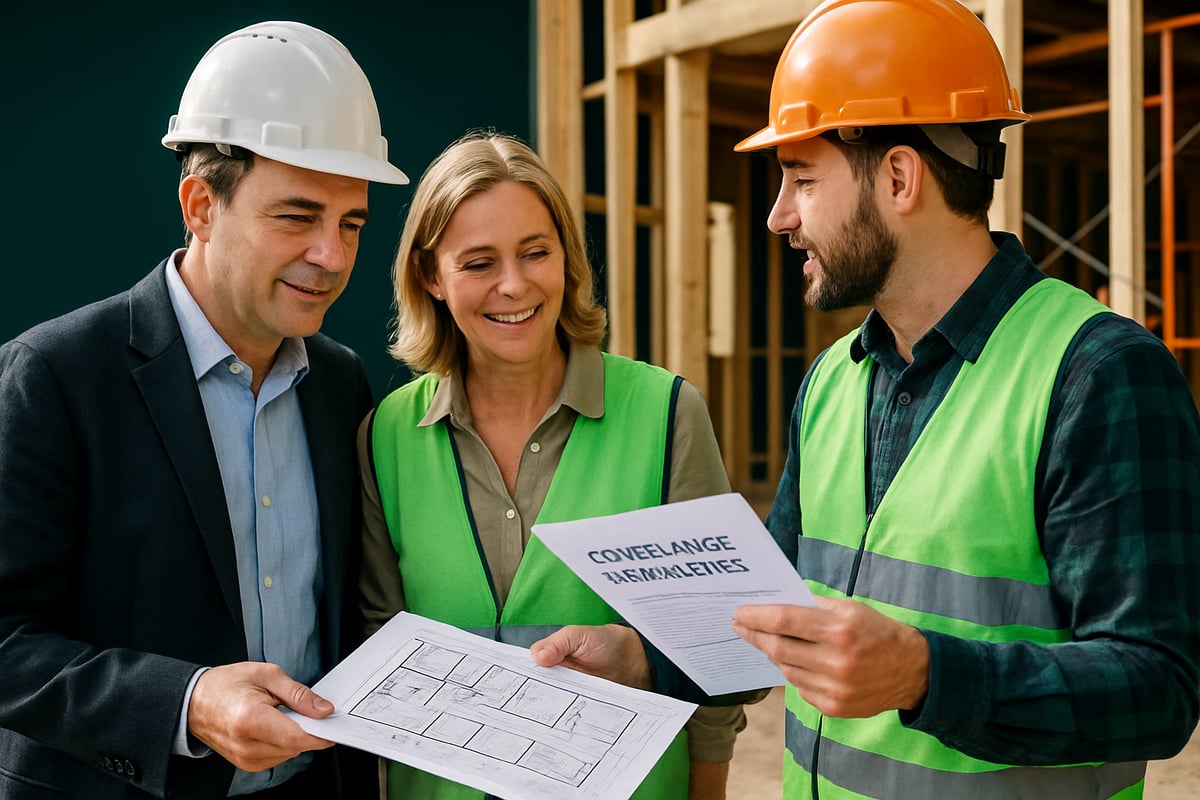
Start by prioritizing a rooming house builder with proven expertise in this unique property type. Look for a minimum of five years’ experience specifically in rooming house projects and at least a decade in residential construction overall. Check for a strong portfolio and client testimonials that reflect successful outcomes.
Local knowledge is crucial. For example, if you’re considering the Brisbane market, partnering with rooming house builders in Brisbane ensures your builder understands regional codes and trends. Always verify that your builder is up to date on the latest compliance standards and has navigated similar projects before.
Evaluating Financial Stability and Capacity
A financially secure rooming house builder reduces your risk of costly delays or unfinished projects. Research the builder’s business history, including longevity and financial health. Inquire about their current project load to avoid working with someone stretched too thin.
Request evidence of financial guarantees and review their payment schedule. Staged payments tied to clear milestones help protect your investment. Remember, builder insolvency rates have been high in regions like Queensland, so thorough due diligence is essential before signing any contract.
Assessing Communication, Transparency, and Service
Open, honest communication is the backbone of a successful rooming house builder relationship. Gauge responsiveness during the quoting phase and assess how clearly they explain inclusions, timelines, and possible variations.
Ask for references and request to visit completed projects. A reputable builder will be transparent about past challenges and how they were resolved. Watch for red flags like vague answers or reluctance to provide documentation. Clear service standards now mean fewer headaches later.
Comparing Quotes and Contracts
When reviewing quotes, ensure your rooming house builder details all inclusions and exclusions. Look for hidden costs or provisional sums that could inflate your budget. Fixed-price contracts offer greater peace of mind and budget certainty.
Compare warranty periods and defect liability coverage across builders. Be wary of lowball quotes that don’t account for site-specific complexities such as retaining walls or tree removal. A detailed, transparent quote is a sign of a professional builder.
| Aspect | What to Check |
|---|---|
| Inclusions/Exclusions | Are all works itemized? |
| Hidden Costs | Any provisional sums or exclusions? |
| Warranty | What’s covered and for how long? |
| Fixed-Price | Is the contract truly fixed-price? |
Builder Selection Red Flags
Certain warning signs should put you on high alert when choosing a rooming house builder. Lack of direct experience with rooming houses, inconsistent client feedback, or high staff turnover signal potential trouble.
Be cautious if a builder hesitates to provide compliance documentation or has a history of legal disputes and project delays. Rapid expansion can also indicate a builder is taking on more than they can handle, putting your project at risk.
Building a Strong Builder-Client Relationship
A productive relationship with your rooming house builder relies on clear expectations and open lines of communication. Set up regular site meetings and progress updates so you stay informed at every stage.
Approach challenges collaboratively and maintain mutual respect. Trust is built over time, and strong partnerships often lead to better project outcomes and higher returns. Long-term success with rooming houses starts with a builder who values your goals and works with you for the best results.
Designing for Profit and Tenant Appeal
Creating a profitable and appealing rooming house in 2026 means blending smart design, tenant-focused amenities, and future-ready features. A skilled rooming house builder knows that success comes from understanding what tenants want and what regulations demand. Let’s break down the essentials for a winning project.
Rooming House Design Essentials
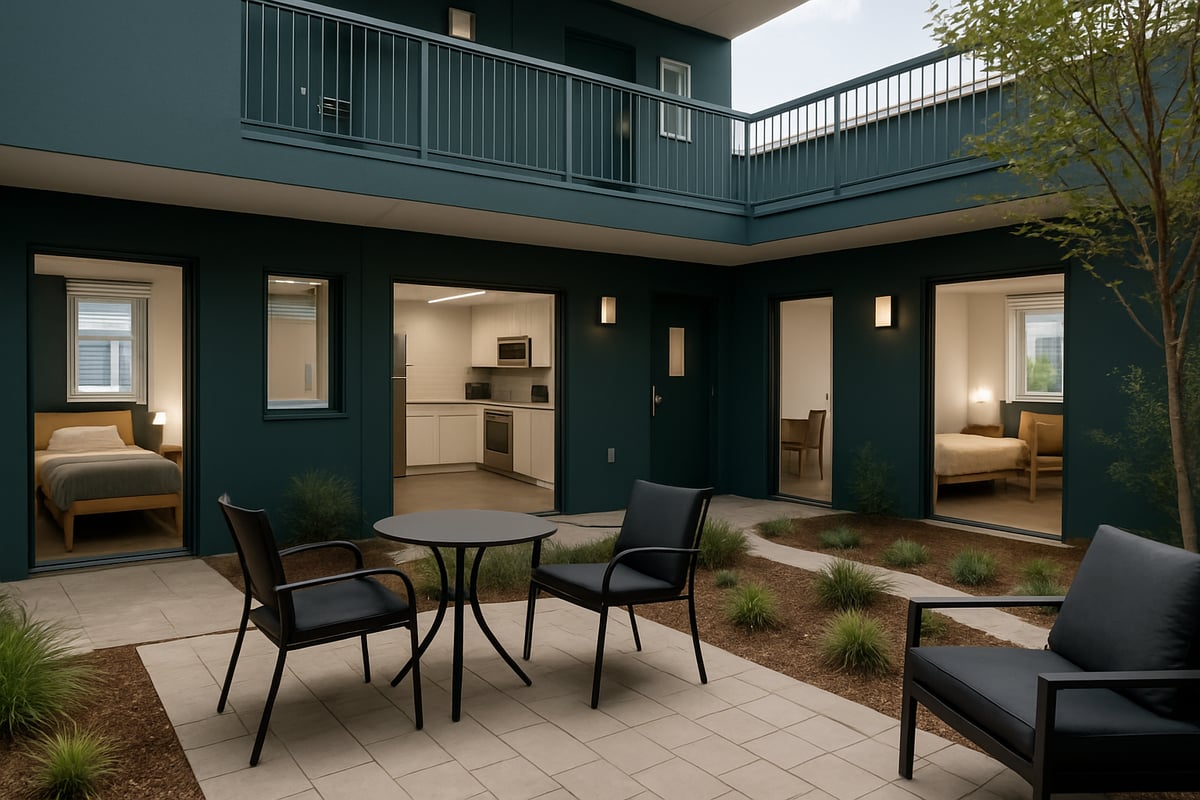
A successful rooming house builder focuses on layouts that maximize both privacy and profitability. Essential features include separate lockable bedrooms, private or semi-private bathrooms, and functional kitchens for shared or individual use.
Designing for comfort means ensuring each room meets or exceeds minimum size standards and includes quality fittings. Communal lounges or dining areas encourage social interaction without compromising personal space. For inspiration, many high-occupancy projects use layouts with five to eight bedrooms, each with ensuite bathrooms and direct access to shared facilities.
For a step-by-step approach to planning your investment, check out these Building investment property tips.
Outdoor Living and Shared Amenities
Outdoor spaces are a major draw for tenants, especially in urban settings where private yards are rare. A rooming house builder who incorporates inviting gardens, patios, or BBQ areas can set their property apart.
Balance is key: provide enough communal space for gatherings, but also offer private nooks for individual relaxation. These features not only boost tenant satisfaction but also support higher retention rates. In Brisbane, for example, rooming house tenants consistently praise properties with well-designed outdoor relaxation zones.
Sustainability and Energy Efficiency
Sustainability is no longer optional for a rooming house builder aiming for long-term profitability. Integrate solar panels, energy-efficient lighting, and appliances to lower operational costs and meet tenant expectations.
Eco-friendly features like double glazing, water-saving fixtures, and good insulation can help attract environmentally conscious renters. Meeting or surpassing local sustainability standards is a selling point, especially for younger tenants. Solar-powered rooming houses are outperforming others in rental markets due to reduced utility costs and strong green appeal.
Security, Accessibility, and Wellbeing
Modern tenants demand both safety and comfort. A rooming house builder should install secure access systems such as keyless entry or CCTV.
Design for accessibility by including ramps, wide doorways, and step-free pathways. Soundproofing between rooms and communal areas is essential for privacy and wellbeing. Natural light and ventilation aren’t just nice to have—they directly impact tenant health. Properties with advanced security and thoughtful design report fewer vacancies and higher tenant satisfaction.
Future-Proofing Your Rooming House Design
A forward-thinking rooming house builder anticipates changes in tenant needs and regulations. Use flexible layouts that allow for easy reconfiguration, and consider integrating smart home technology for security, energy management, and tenant convenience.
Plan for upgrades by selecting durable materials and designing spaces that can adapt over time. Regular maintenance becomes easier when future-proofing is built in from the start. Properties designed with longevity in mind stay compliant and attractive, even as market trends shift.
Managing Costs and Maximizing Returns
Every rooming house builder knows that careful cost management is the cornerstone of profitability. From the initial budgeting stage to long-term yield optimization, each decision can make or break your investment. 2026 is shaping up to be a pivotal year, with shifting market trends, new compliance rules, and rising construction costs. Let’s break down the key strategies for managing expenses and unlocking strong returns as a rooming house builder.
Budgeting for Construction and Fit-Out
Budgeting is the foundation for every successful rooming house builder. Start with a detailed breakdown of all major costs: land acquisition, construction, council approvals, and interior fit-out. Don’t forget to allocate a contingency fund—unexpected site issues or regulatory changes can quickly inflate expenses.
A typical cost breakdown in 2026 might look like this:
| Expense Category | Typical Cost Range (per room) |
|---|---|
| Land | $60,000 – $95,000 |
| Construction | $90,000 – $130,000 |
| Approvals/Fees | $8,000 – $15,000 |
| Fit-Out | $12,000 – $20,000 |
Comparing multiple builder quotes helps ensure you stay on budget. Tracking all expenses through the project keeps your finances on target as a rooming house builder.
Avoiding Costly Mistakes and Variations
Many rooming house builder projects run into trouble due to overlooked details. Common pitfalls include underestimating site works, failing to identify hidden costs, or accepting vague quotes with provisional sums. Always conduct thorough due diligence on land—check for sewers, easements, and zoning restrictions.
Insist on a fixed-price contract wherever possible. This limits the risk of surprise variations that can add tens of thousands to your total spend. Regularly review your contract for exclusions or ambiguous terms. A proactive rooming house builder can avoid financial blowouts by being detail-oriented from the start.
Financing and Cash Flow Management
Securing the right finance is essential for a rooming house builder. Explore options such as traditional loans, construction finance, or SMSF lending if eligible. In 2026, lenders may require higher deposits and closer scrutiny of your feasibility.
Manage cash flow by aligning progress payments with build milestones. Maintain a buffer for ongoing expenses and delays. Use detailed cash flow projections to ensure you can cover every stage, from slab to handover. A disciplined approach allows a rooming house builder to weather market fluctuations and keep projects on track.
Optimizing Rental Yields and Occupancy
For any rooming house builder, maximizing rental yields is a top priority. Set rents based on current market research, considering local demographics and competing properties. Effective marketing—like quality photos and targeted online listings—attracts reliable tenants and reduces vacancy.
Leverage professional property managers who specialize in multi-tenant accommodation. They can help you maintain high occupancy and smooth tenant turnover. According to Rooming Houses: Australia’s Fastest-Growing Property Investment Strategy in 2025, investors are achieving 8–9% net yields by focusing on strong management and tenant retention. This is where the rooming house builder can truly outperform standard residential investments.
Tax, Depreciation, and Investment Structuring
Tax planning is a powerful tool for every rooming house builder. Maximize deductions by claiming depreciation on the building, plant, and equipment. Engage an accountant familiar with multi-tenant properties to structure ownership for asset protection and tax efficiency.
Stay up to date with ATO rules and local tax changes. Proper record-keeping is essential for future audits. Many rooming house builder investors unlock significant after-tax returns by optimizing their claimable expenses and using the correct investment structure.
Future Trends and Strategies for Rooming House Success
Staying ahead in the evolving property market means understanding the trends that will shape your success as a rooming house builder in 2026. Let’s break down the essential strategies and innovations you need to secure a thriving investment in the years ahead.
Adapting to Evolving Tenant Preferences
2026 is seeing a shift in tenant demographics and expectations. Young professionals, remote workers, and downsizers are driving demand for flexible lease terms and amenities that support modern lifestyles. As a rooming house builder, recognizing these trends is crucial.
Tenants now seek:
- Private, tech-enabled spaces
- Quiet zones for remote work
- Lifestyle perks like fitness areas or bike storage
According to Property Investment Trends In Australia: A 2025 Outlook, the rise of co-living and build-to-rent models is influencing design choices. Stay agile and listen to feedback, so you can tailor your rooming houses for long-term appeal.
Leveraging Technology for Efficiency and Appeal
Technology is transforming how a rooming house builder delivers value. Smart locks, security cameras, and online management platforms are no longer optional—they’re expected.
Key tech features include:
- Smart access control for safety and convenience
- Automated rent collection systems
- Remote maintenance scheduling and monitoring
These solutions streamline operations and attract tech-savvy tenants willing to pay a premium. By adopting smart home technologies, you can set your properties apart and boost profitability as a forward-thinking rooming house builder.
Sustainability and Environmental Compliance
Sustainability is now a top priority for both tenants and regulators. As a rooming house builder, integrating eco-friendly features is a win-win. Solar panels, water-saving fixtures, and energy-efficient appliances help reduce running costs and meet stricter compliance standards.
Benefits of sustainable design:
- Lower utility bills
- Improved tenant retention
- Access to green building incentives
Eco-conscious tenants are more likely to choose properties that align with their values. In 2026, environmental compliance is not just a trend but a necessity for every successful rooming house builder.
Risk Management and Insurance Strategies
Managing risk is vital for any rooming house builder aiming for longevity. The multi-tenant nature of rooming houses means unique challenges around insurance and tenant screening.
Key strategies include:
- Comprehensive building and landlord insurance
- Rigorous tenant selection processes
- Emergency planning and compliance checks
Learning from recent builder insolvencies, it’s clear that proactive risk mitigation safeguards your investment and reputation. Partner with experts to ensure your rooming house builder business is protected against the unexpected.
Scaling Your Rooming House Portfolio
Once you master one project, scaling becomes the next logical step. A savvy rooming house builder can leverage equity, refinance, and expand operations into promising regions.
Growth strategies involve:
- Building a trusted team of builders and managers
- Exploring regional markets with rising demand
- Utilizing SMSF or joint venture structures
For insights on regional growth and migration patterns, see the Regional Property Investment Outlook for 2025. Scaling thoughtfully helps your rooming house builder brand grow sustainably.
Staying Ahead of Legislative and Market Changes
Regulations and market dynamics are always shifting, so a proactive approach is key. A successful rooming house builder routinely monitors council updates, attends industry seminars, and consults with compliance experts.
Stay ahead by:
- Subscribing to regulatory bulletins
- Joining property investment associations
- Regularly reviewing your compliance checklist
Early adaptation to new council requirements or market conditions ensures your rooming house builder projects remain profitable and compliant. Continuous learning is your best defense against unforeseen challenges.
You’ve seen how 2026 is set to reshape rooming house investing with new opportunities and challenges—from rising demand for affordable accommodation to changing regulations and smarter design choices. If you’re ready to take control of your future and want guidance on building high-yield properties that align with your financial goals, let’s connect. We can help you explore SMSF options, select the right investment, and navigate every step with confidence. Your journey to building wealth and securing your retirement starts with one conversation.
Start Building Your Wealth Speak With an Expert